
 EN
 AR
 NL
 FR
 DE
 EL
 IT
 JA
 KO
 PT
 RU
 ES
 SV
 ID
 LT
 VI
 SQ
 TR
 FA
 GA
 BE
 HY
 BN
 MN
 MY
 KK
 TG
 UZ
 KY
 XH
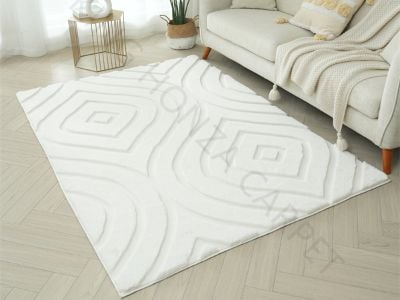
When buying carpets from a factory, it’s important to know how to check that the factory is doing everything right. This is called an audit. An audit looks at how the carpet is made, the quality of the materials, and how workers are treated. For buyers, understanding what to expect during a carpet factory audit can help them make better choices. At Tianjin King Honza, we know that a good audit can help buyers feel confident in their purchase.
How to Conduct a Successful Carpet Factory Audit?
To conduct a good carpet factory audit, start by making a checklist of what you want to look at. First, check the materials. Are they safe and high-quality? You can ask to see the types of fibers used in the print carpet. Next, look at the machines. Are they modern and well-maintained? Old machines can lead to poor-quality products. It’s also important to see how the workers are treated. Are they paid fairly and working in safe conditions? Talk to some workers if you can. Ask them about their jobs and if they feel safe and happy. This can give you a good idea about the factory's environment.
After that, look at the storage areas. Are the carpets stored properly? If carpets are stacked too high or in a messy way, they might get damaged. Also, it’s smart to check the factory's cleanliness. A clean factory usually means better quality products. Lastly, don’t forget to review the factory's certifications. This can show that they follow industry standards.
If you can, it’s helpful to bring someone who knows about carpets with you. They can help you spot things you might miss and give you their expert opinion. Make sure to take notes during your audit. This will help you remember what you saw and make it easier to compare different factories later.
What to Expect During a Wholesale Carpet Factory Audit?
When you arrive for a wholesale carpet factory audit, expect to be greeted by factory staff. They should be ready to show you around and answer your questions. The tour will likely start in the production area where print on carpet are made. You will see the machines and the workers. It’s a good chance to ask about the production process.
You might also visit the quality control section. This is where carpets are checked for mistakes before they are sent out. If you see workers carefully inspecting carpets, that’s a good sign. It shows the factory cares about quality. During your visit, take your time. Don’t rush. Look closely at the carpets. Feel the texture and check the colors.
Another thing you might notice is documentation. Factories should have records of their production, materials, and worker safety. Ask to see these documents. It will help you understand how the factory operates.
Remember, communication is key. If there is something you don’t understand, ask questions. The factory staff should be willing to help you. By the end of your audit, you should have a clear picture of how the factory works and if it meets your standards. Buyers should feel assured knowing they did their homework and checked everything thoroughly. At Tianjin King Honza, we believe that a good audit helps build trust between buyers and manufacturers.
Common Issues Buyers Face During Carpet Factory Audits
When buyers visit carpet factories to check how things are going, they often run into some problems. One of the biggest issues is finding that the factory does not follow the rules about safety and health. For example, workers might not have proper safety gear like gloves or masks. This can be dangerous because carpets are made with materials that can cause harm if not handled correctly. Another problem is that workers may be working too many hours without enough breaks. This can make them tired and less careful, which can lead to mistakes in making carpets.
Buyers might also notice that the factory is not using good quality materials. If a factory cuts corners to save money, the carpets might not last long or look good. This can be frustrating for buyers who want to sell high-quality carpets. Another common issue is poor working conditions. If the factory is too hot, too cold, or too noisy, workers may not be able to do their best work. Buyers should pay attention to how the factory treats its workers. If workers seem unhappy or stressed, that could mean there are bigger problems that might affect the carpets being made.
Lastly, some buyers find that the factory's records are not clear or complete. Good factories keep detailed records of their materials, workers, and processes. If the records are messy or missing, it can make it hard for buyers to trust what the factory is saying. Buyers should be ready for these issues during their audits and think about how they can help improve things for everyone involved.
How to Evaluate Carpet Factory Compliance During Audits?
To make sure a carpet factory is following the rules during audits, buyers should have a plan. First, they should look at the factory’s safety practices. This means checking if workers are using safety gear and if there are signs about safety rules posted around the factory. Buyers can ask questions like, “What do you do to keep your workers safe?” This helps to see if the factory really cares about its workers.
Next, buyers should check the working hours of the employees. They can ask to see timecards or schedules to make sure workers are not putting in too many hours without rest. If the factory has proper breaks and reasonable hours, this shows they are respecting their workers' rights. Buyers can also talk to workers directly. This will give them a better understanding of how the factory operates day-to-day.
Another important part of the audit is checking the materials used in making carpets. Buyers can look at samples and ask questions about where the materials come from. They should ensure that the materials are safe and high quality. If a factory is using low-quality materials, that’s a red flag. Lastly, buyers should take a close look at the records the factory keeps. They should check for things like employee lists, material sources, and production numbers. If everything looks organized and clear, it means the factory is likely doing things right.
What Are the Best Practices for Effective Carpet Factory Audits?
Doing a successful carpet factory audit takes careful planning and a good approach. First, buyers should prepare by making a checklist. This checklist should include all the things they want to look at, like safety practices, working conditions, and material quality. Having a list helps buyers stay focused and make sure they don’t miss anything important during the audit.
When buyers arrive at the factory, they should communicate clearly with the factory management. It’s important to explain why the audit is happening and what the buyers are looking for. This can help everyone work together better. Buyers should also be friendly and respectful when talking to workers. Making workers feel comfortable can lead to more honest feedback about their experiences.
During the audit, it can be helpful to take notes and pictures. This way, buyers can remember what they saw and heard. After the audit, they should take time to review their notes and compare them to their checklist. If they noticed any problems, they should discuss them with the factory management. This is a chance to suggest improvements and work together on solutions.
Lastly, buyers should follow up after the audit. They can send a report to the factory about what went well and what needs to change. This helps to keep the conversation going and shows that buyers care about making things better. By following these best practices, buyers can ensure they are getting the best quality carpets from factories like Tianjin King Honza while also supporting fair and safe working conditions for all workers.
